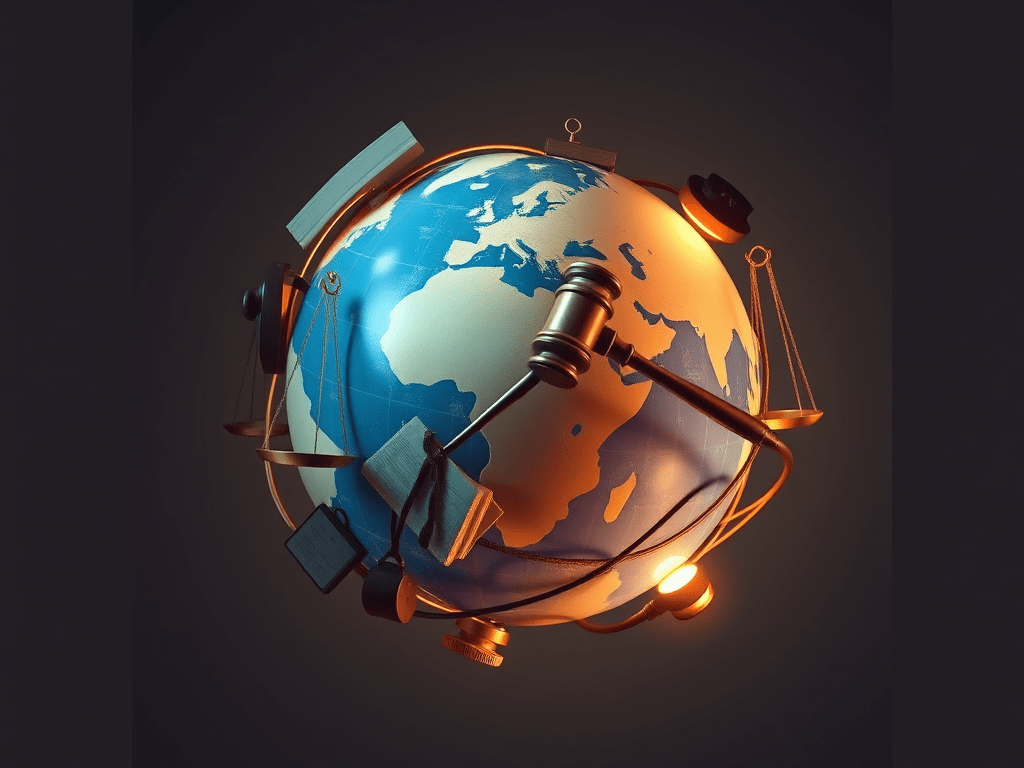
Global law shapes the way states, organizations, and even individuals interact on the international stage. But where exactly does this law come from? Unlike national legal systems, which usually have a constitution, parliament, and courts, global law is formed through a more complex and diverse process. Understanding its sources is essential for anyone looking to navigate the world of international and European law.
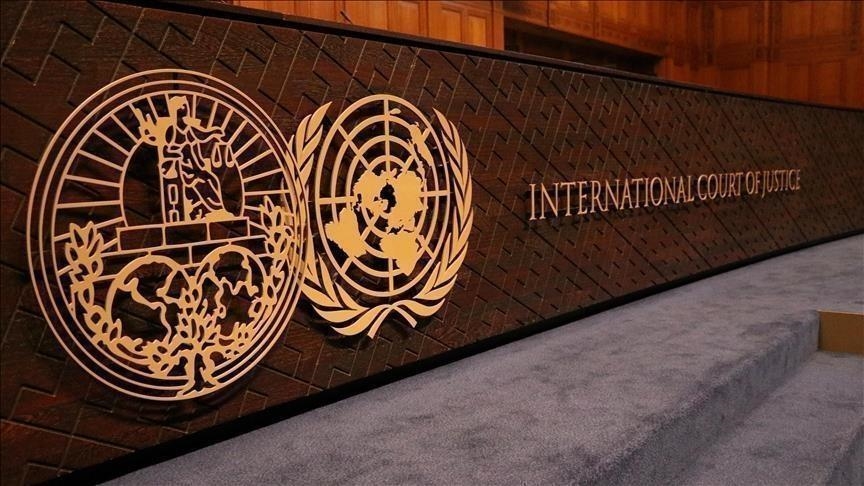
According to Article 38 of the Statute of the International Court of Justice, the main sources of international law include treaties, customary international law, general principles of law, and, as subsidiary means, judicial decisions and the teachings of the most highly qualified publicists.
1. Treaties and Conventions
The most formal and widely recognized source of global law is treaties, also called conventions or agreements. Treaties are written agreements between states (or sometimes between states and international organizations) that set out rights and obligations.
Examples:
- The Charter of the United Nations (1945) sets out the basic principles of international peace and security.
- Convention on the Elimination of All Forms of Discrimination Against Women (CEDAW) (1979) requires signatory states to eliminate discrimination against women, while also aiming to promote gender equality.
Treaties are binding on the parties that ratify them. Often, national laws need to be adapted to fulfill their obligations.
2. Customary International Law
Not all global legal rules are written down in treaties. Some emerge from customary international law, which states follow because they believe they are legally obliged to do so.
How does it form?
- State practice: Consistent and general behavior by states.
- Opinio juris: The belief that this behavior is legally obligatory, not just a courtesy.
Examples:
- The prohibition of genocide and torture is widely accepted as customary international law.
- Rules on diplomatic immunity have evolved through consistent state practice.
Customary law binds all states, even those that haven’t signed a specific treaty—unless they persistently objected from the start.
3. General Principles of Law
Sometimes international courts and tribunals look to general principles of law recognized by national legal systems to fill gaps in treaties or custom. These are broad legal concepts that most legal systems share, such as good faith, due process, or equality before the law.
These principles help ensure fairness and coherence in global law, even when treaties or customs are silent.
4. Judicial Decisions and Scholarly Writings
While not binding in the same way as treaties or customs, decisions of international courts (like the International Court of Justice) and legal writings by respected scholars are often used to interpret or clarify global law.
Examples:
- The ICJ’s Advisory Opinions provide guidance on complex legal questions.
- Academic experts write commentaries that courts and lawyers use to understand legal concepts.
These sources are considered subsidiary means of determining the rules of law.
5. Soft Law
Finally, not all global law is strictly binding. Soft law refers to guidelines, codes of conduct, or declarations that influence state behavior but don’t carry the force of law.
Examples:
- The UN Declaration of Human Rights (1948) is not legally binding but has shaped human rights discourse worldwide.
- The OECD Guidelines for Multinational Enterprises guide companies on responsible business conduct.
Soft law can pave the way for future treaties or influence customary international law over time.
To sum it all up!
Understanding the sources of global law is the first step in navigating the complex world of international and European law. Treaties, customs, principles, court decisions, and even soft law all play a role in shaping the rules that govern our interconnected world.
As global challenges such as climate change and cybersecurity become increasingly complex, understanding the origins and development of global law empowers legal professionals, policymakers, and active citizens to navigate and respond effectively to this changing legal landscape.
At Legally Curious, the journey into global law is just beginning. Stay tuned as we explore how these sources come together to shape the legal frameworks that affect us all.

Leave a comment