
One of the most enduring challenges in international law is balancing state sovereignty with the growing body of global legal obligations. This tension lies at the core of modern international relations and shapes the enforcement of international norms, treaties, and human rights protections.
The Essence of Sovereignty
Sovereignty, rooted in the 1648 Peace of Westphalia, traditionally signifies that each state has the exclusive authority to govern its territory without external interference. It reflects the idea that states are the primary actors in international law, free to determine their own political, economic, and social systems. This principle is enshrined in Article 2(1) of the United Nations Charter, which affirms the sovereign equality of all its members. Sovereignty ensures that states can protect their national interests, maintain cultural identity, and govern their populations independently.

The Emergence of Global Legal Obligations
Nonetheless, global challenges such as human rights abuses, climate change, terrorism, and pandemics do not respect national borders. To address these issues, states increasingly enter into international treaties and conventions that limit their absolute sovereignty by creating legally binding obligations.
Examples include:
- Human Rights Treaties: The European Convention on Human Rights (ECHR) obliges signatory states to guarantee individual rights, sometimes requiring changes in domestic laws to align with international standards.
- Trade and Economic Agreements: The World Trade Organization (WTO) regime imposes rules that can limit a state’s freedom to adopt protectionist measures, impacting domestic industries and regulatory frameworks.
These obligations reflect the reality that many issues cannot be effectively addressed by individual states acting alone.
The Legal Balancing Act
The tension between sovereignty and global law requires careful balancing. States value sovereignty because it ensures democratic accountability and protects domestic interests. Yet, global legal frameworks promote cooperation, stability, and the protection of universal rights.
Key examples illustrate this tension:
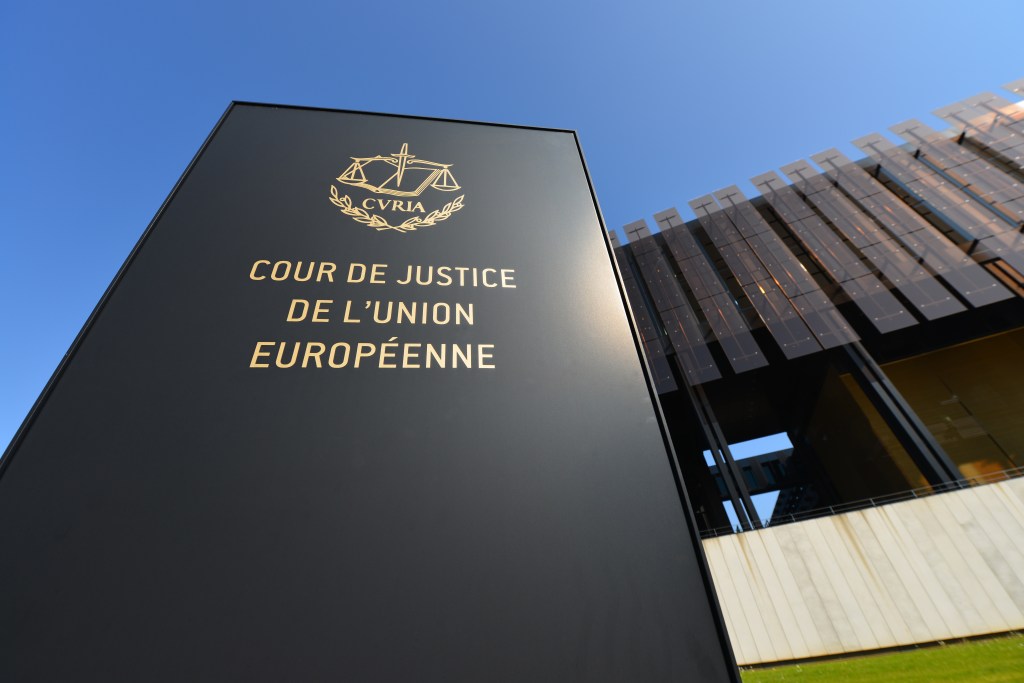
- The Kadi Cases (C-402/05 P and C-415/05 P): The European Court of Justice famously annulled EU regulations that implemented UN Security Council sanctions, citing fundamental rights under EU law. This case highlighted that international obligations must be reconciled with constitutional principles of the legal order, showcasing the delicate interplay between sovereignty and global commitments.
- US and the International Criminal Court (ICC): The United States signed but did not ratify the Rome Statute establishing the ICC, reflecting concerns over sovereignty and the potential for politically motivated prosecutions.
These cases underscore the dynamic nature of sovereignty in an increasingly interconnected world.
Rethinking Sovereignty in the Global Age
Modern international law increasingly recognizes that sovereignty is not absolute but must be exercised responsibly. Concepts like the Responsibility to Protect (R2P) emphasize that states have obligations to prevent mass atrocities within their borders, even if it means international intervention. Similarly, trade agreements balance national regulatory autonomy with the need for stable and predictable trade relations.
This evolving understanding of sovereignty reflects a shift. Sovereignty is no longer seen as an impenetrable shield. Instead, it is viewed as a responsibility. States remain autonomous. However, they are also accountable to international norms that uphold human dignity and global cooperation.
The tension between sovereignty and global law is not merely a legal challenge. It is a defining feature of the 21st-century international order. On one hand, sovereignty remains vital for protecting national interests and ensuring democratic accountability. On the other hand, global challenges demand collective action and cooperation.
At Legally Curious, this conversation continues. Our mission is to illuminate the complex relationship between sovereignty and global law. We aim to empower legal professionals, policymakers, and engaged citizens to navigate this evolving landscape with insight and integrity. Stay curious, stay engaged, and join us as we continue to explore the critical issues shaping the world of law.

Leave a comment