
In an increasingly interconnected world, the line between national and international law is becoming ever more blurred. Understanding how global legal frameworks interact with domestic legal systems is essential for navigating complex legal landscapes. Especially as international agreements, human rights conventions, and global regulations increasingly shape national policies and court decisions.
Monism and Dualism: Two Approaches to Incorporation
A key question in the relationship between global law and national legal systems is how international law is integrated—or not—into domestic legal orders. Legal scholars often classify this relationship using two primary models: monism and dualism.
- Monism: Under a monist approach, international law automatically becomes part of the national legal system without the need for additional legislation. Courts can directly apply treaties and customary international law in domestic cases. For example, the Netherlands traditionally follows a monist approach, meaning that international treaties can override conflicting domestic laws.
- Dualism: In dualist systems, international law and national law are considered separate legal orders. International treaties and obligations become effective domestically after being incorporated through national legislation. The United Kingdom, for example, typically requires Parliament to pass implementing legislation before treaties have a domestic effect.
Understanding these models is crucial, as they determine how international obligations translate into rights and duties within national borders.
Direct Effect and Incorporation
Beyond monism and dualism, the concepts of direct effect and incorporation further clarify how global law influences domestic legal systems:
- Direct Effect: This principle allows individuals to invoke international legal provisions directly before national courts, provided that the provisions are sufficiently clear, precise, and unconditional. The European Union’s legal order is renowned for embracing direct effect; key EU Treaty provisions can be enforced by individuals in national courts without implementing legislation.
- Incorporation: In many dualist systems, even after a treaty is ratified internationally, it requires an act of Parliament (or equivalent) to incorporate its provisions into domestic law. Without incorporation, the treaty remains binding on the state internationally but cannot be invoked by individuals in domestic courts.
Real-World Impacts: Case Studies and Examples
The interplay between global law and domestic legal systems can have profound consequences on national legislation, judicial decisions, and constitutional principles:
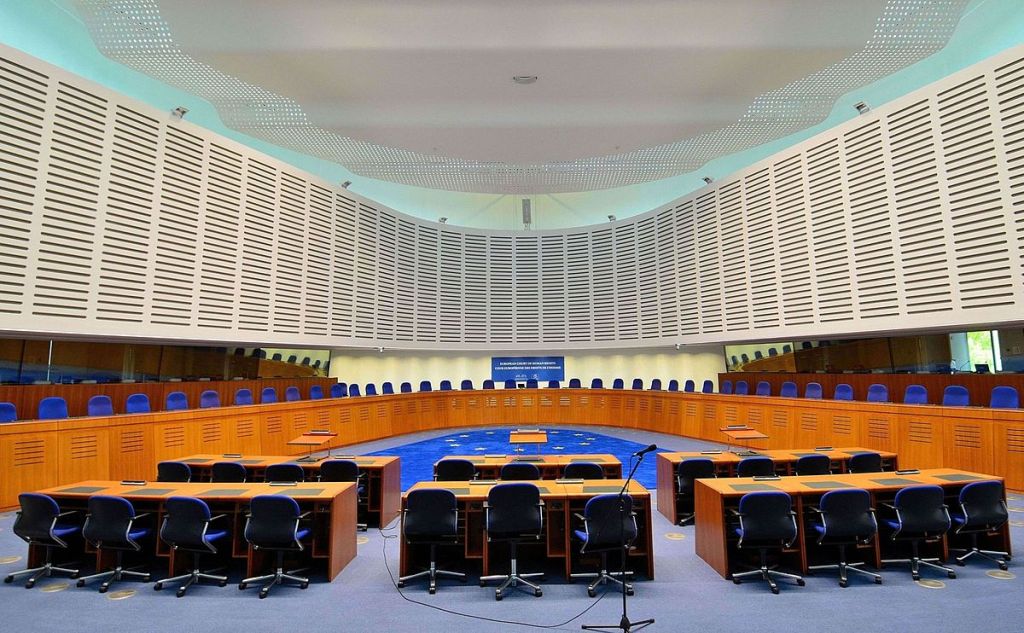
- Human Rights Protections: The European Convention on Human Rights (ECHR) has reshaped domestic laws in many European countries, influencing areas from criminal procedure to privacy rights. For instance, in the United Kingdom, the Human Rights Act 1998 incorporates the ECHR into domestic law, allowing individuals to challenge national laws that violate their Convention rights.
- Trade and Environmental Law: WTO rules often require states to adjust domestic trade regulations, even when they conflict with national economic policies. Similarly, climate agreements like the Paris Agreement compel states to develop domestic laws to meet international emissions targets.
- Supremacy of International Law: In some countries, international treaties can override conflicting national laws. For example, the Dutch Constitution recognizes the supremacy of treaties over conflicting domestic legislation, reflecting the Netherlands’ monist approach.
Constitutional Principles and Judicial Review
National courts often act as gatekeepers, interpreting and applying international obligations within domestic legal frameworks. This dynamic relationship influences constitutional principles, including:
- Rule of Law: Courts ensure that domestic legislation aligns with international obligations, maintaining legal certainty and protecting individual rights.
- Separation of Powers: Implementing international law can sometimes challenge traditional divisions between the executive, legislative, and judicial branches. This challenge arises when courts must interpret treaties that Parliament has ratified.
The interaction between global law and national legal systems is more than an academic curiosity. It shapes the daily realities of governance, human rights, and economic regulation. Understanding concepts like monism, dualism, direct effect, and incorporation is essential for any legal professional navigating the modern world.
At Legally Curious, we continue to explore how global law permeates domestic legal orders, influencing everything from courtroom decisions to constitutional debates. Stay tuned as we unpack these complexities, one article at a time.

Leave a comment