Background
At the end of June 2025, trade negotiations between Canada and the United States—which had stalled under threats of new tariffs—were abruptly revived. Just days earlier, President Donald Trump publicly suspended talks, branding Canada’s planned 3 % Digital Services Tax on large tech firms “a blatant attack on American companies” and threatening retaliatory tariffs on Canadian exports1.
Canada’s Tax Reversal
Facing the prospect of immediate U.S. sanctions, Canada’s finance minister announced on 29 June that Ottawa would repeal the Digital Services Tax “in anticipation of a mutually beneficial trade agreement.” This decision came mere hours before the tax was set to take effect against companies like Google, Amazon, Meta and Airbnb2. The rapid repeal averted an escalation into a full‐blown tariff war.
Talks Reopened
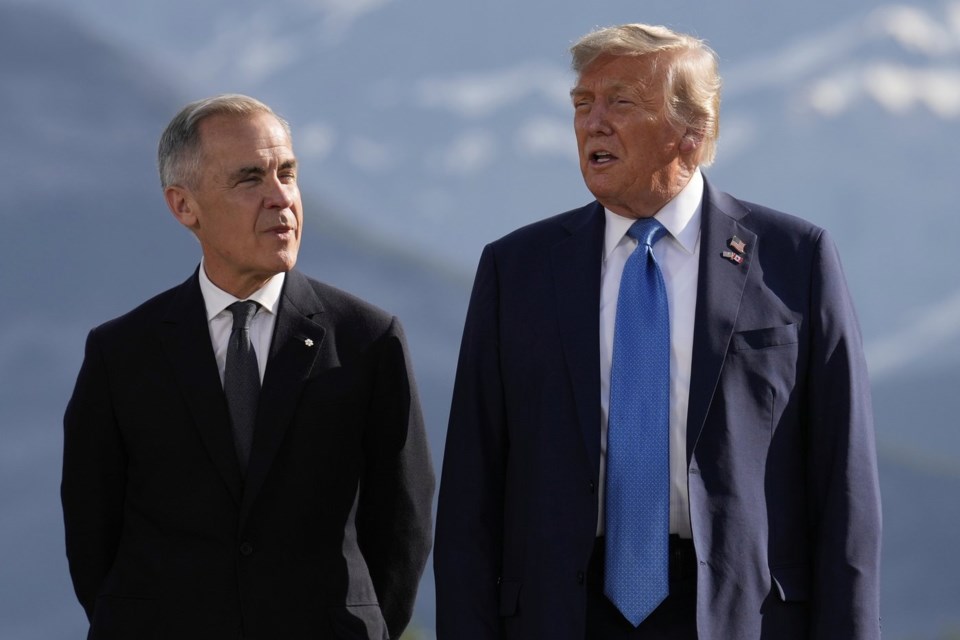
Following Canada’s reversal, Prime Minister Mark Carney and President Trump spoke by phone and agreed to resume formal negotiations. Their joint statement set a target of concluding a new trade deal by 21 July 2025—mirroring the 30-day deadline first established at the recent G7 summit in Canada.
Key Issues on the Table
- Market Access & Tariffs: Reconciling U.S. demands for lower non-energy tariffs with Canada’s insistence on preserving supply-management sectors like dairy and poultry.
- Digital Trade & Regulation: Crafting rules for e-commerce, cross-border data flows and taxation that satisfy both sides’ tech industries.
- Labor Mobility: Streamlining visa and credential recognition to boost cross-border services and address skill shortages.
- Environmental & Labour Standards: Ensuring any deal maintains high regulatory benchmarks agreed under the USMCA (the previous agreement).
Analysis
This turnaround highlights how swiftly corporate taxation can reshape geopolitical leverage. Canada’s willingness to repeal a home-grown revenue measure under external pressure underscores the asymmetry in the bilateral relationship—where U.S. threats can compel major policy reversals. At the same time, both governments demonstrated pragmatism: Ottawa prioritized market stability over new revenue, while Washington signaled it preferred a negotiated outcome to punitive tariffs.
What Comes Next?
The clock is now ticking toward the mid-July deadline. Watch for three critical signals: whether Canada secures carve-outs for sensitive agricultural sectors, whether the U.S. softens its stance on energy exports, and if negotiations on digital trade set a global standard for tech taxation. Failure to deliver a deal by 21 July could trigger tariffs or a slide back into acrimony—reminding both sides of the high stakes at play in the world’s largest bilateral trading relationship.

Leave a comment